

Back to all Insights
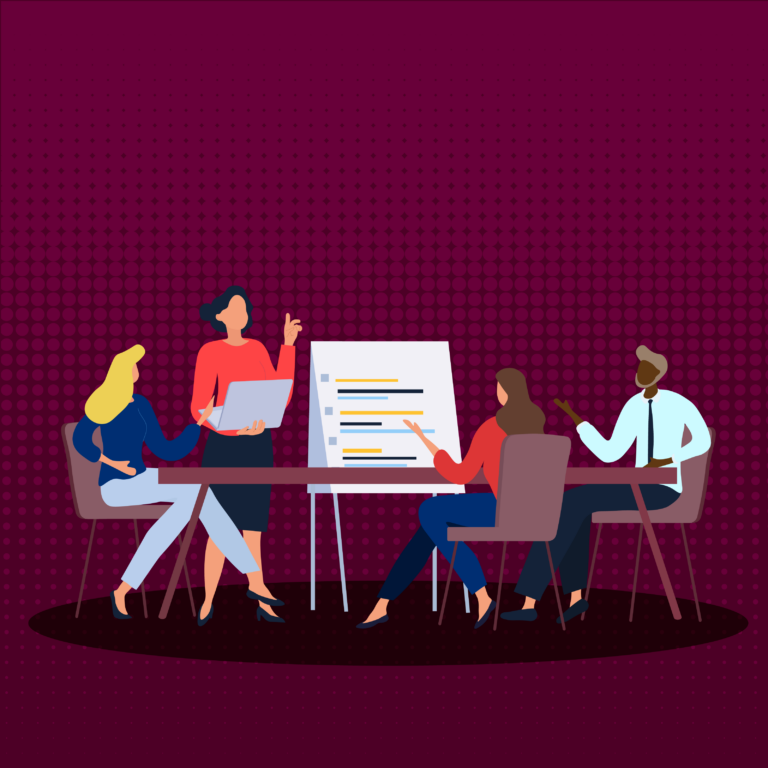


Facilitating conversations that drive real change
Key takeaways
- Effective facilitation creates alignment, not just participation
- Strong workshops accelerate decision-making and organizational clarity
- The most important facilitation work happens before the session begins
- Productive disagreement is often necessary for real alignment
Most workshops don’t fail because of poor agendas or a lack of participation. They fail because nothing meaningfully changes afterward.
The team leaves feeling energized. People say things like “great discussion” and “this was really productive.” The Post-it notes are photographed. The slide deck gets shared. Then everyone returns to work operating exactly as they did before.
Because participation is not the same as alignment, and alignment is not the same as action. That’s where strategic facilitation is often misunderstood.
Too often, workshops and strategy sessions are treated like events to manage rather than business tools designed to help organizations make decisions, navigate complexity and create momentum around change. Great strategic facilitation is about helping people move through ambiguity together, especially when the stakes are high.
As bink’s Chief of Strategy, I partner with life sciences organizations to solve complex business and people challenges through strategic communications, organizational alignment and change management. My work often involves facilitating leadership workshops, guiding strategic planning sessions, and helping organizations navigate moments of transformation with greater clarity and confidence.
For over a decade, I’ve experienced first-hand how nuanced, strategic facilitation can create real change in organizations. And I’ve also seen how working sessions fail, even when leadership is committed. In this piece, I’ll walk you through the biggest misconceptions about facilitated sessions and share practical insights for conversations that drive effective action.
Alignment is not consensus
One of the biggest misconceptions about facilitated sessions is that success means everyone agrees. In reality, strong facilitation often means surfacing disagreement early enough to work through it productively. That’s why strategic facilitation is as much about organizational dynamics and human behavior as it is about agendas and activities.
The most effective strategic facilitation sessions create space for candor, competing viewpoints and difficult conversations that teams may otherwise avoid in day-to-day work. Without that, organizations risk creating false alignment, where teams leave the room believing they’re aligned while carrying entirely different interpretations, priorities or expectations into execution.
Experienced facilitators know how to help groups navigate these moments without shutting down participation or forcing premature agreement. That work is nuanced. It requires listening beyond what’s being said, recognizing where tension exists beneath the surface, and understanding when a group needs to diverge, converge, pause or push forward.
Effective sessions create movement, not just participation
A full agenda and engaged discussion do not automatically lead to outcomes.
The strongest sessions are designed with a clear understanding of what needs to happen after the conversation ends. Is the goal to accelerate decision making? Build trust? Create cross-functional collaboration? Align leaders around a strategy or organizational change? Accelerate adoption of a change initiative?
Without that clarity, sessions can easily become performative. They may appear collaborative while remaining disconnected from meaningful business impact.
When designed intentionally, facilitated conversations can help organizations:
- Accelerate cross-functional decision-making across leadership and teams
- Uncover competing assumptions before they become organizational barriers
- Create clarity during periods of ambiguity or change
- Strengthen trust and stakeholder alignment across business functions
- Generate momentum around strategic priorities and initiatives
The workshop itself is rarely the end goal. It’s simply a catalyst.
The most important work happens before the session starts
The best workshops often feel effortless in the room, but that outcome is almost never accidental. Long before a session begins, experienced facilitators are gathering context, identifying risks and designing intentionally for the dynamics likely to emerge.
For one recent leadership session, our preparation work included individual conversations with every participant ahead of the workshop, as well as discussions with key members of their teams to better understand where organizational alignment already existed and where tensions, concerns or disconnects might emerge.
We also partnered closely with the executive sponsor to refine not only what needed to be communicated, but how to show up in the room to build trust, encourage honest discussion, and reinforce the broader goals of the session.
From there, we designed the experience intentionally around the decisions that needed to be made, the conversations the group needed to have, and the conditions required for productive dialogue and meaningful alignment.
By the end of the session, the leadership team had aligned around a future vision for the function and made clear commitments about how to move forward together.
What does effective workshop preparation require?
Effective preparation often requires facilitators to:
- Align stakeholders around desired outcomes and decisions
- Identify competing priorities, risks and potential points of resistance
- Design conversations that balance reflection, discussion and action
- Create the conditions for candid participation, trust and productive dialogue
In other words, facilitation isn’t simply about guiding conversation in the moment, but about intentionally creating the conditions that allow productive, honest and outcome-oriented conversations to happen in the first place.
While many organizations focus primarily on what happens during the session itself, the quality of the preparation often determines whether the experience leads to real outcomes or simply a temporary sense of progress.
Great facilitation creates the conditions for change
At their best, facilitated sessions help organizations do something that’s increasingly difficult in fast-moving environments: slow down enough to think clearly together.
Not just to share updates or brainstorm ideas, but to make decisions, build understanding and move forward with greater alignment and confidence.
That kind of facilitation requires more than templates or tactics. It requires strategic thinking, careful preparation, adaptability, emotional intelligence and the ability to guide groups through complexity in real time.
The most impactful workshops may look simple from the outside, but that simplicity is the result of thoughtful design, deep expertise and a significant amount of invisible work behind the scenes.
Ready to create conversations that move work forward?
Whether you’re aligning leaders around a strategy, navigating organizational change or helping teams make complex decisions, effective strategic facilitation can create the clarity and momentum needed to move important work forward.
At bink, we partner with organizations to design and facilitate sessions that build alignment, navigate complexity and turn conversation into action.
If you’re planning an offsite, leadership session, strategic planning discussion or change initiative, we can help create the conditions for meaningful progress. Contact us to learn more.
Frequently asked questions
What is strategic facilitation?
Strategic facilitation is the practice of guiding conversations that help organizations make decisions, align leaders and move important initiatives forward. Unlike basic meeting management, strategic facilitation focuses on creating clarity, accountability and momentum around business priorities, especially during periods of organizational change or complexity.
Why do some workshops fail to create lasting change?
Many workshops fail because participation is mistaken for alignment. Teams may leave a session feeling energized, but without clear decisions, ownership or shared understanding, day-to-day behaviors rarely change. Effective facilitation connects conversation to action by helping organizations clarify priorities, navigate disagreement and align around next steps.
What’s the difference between participation and alignment?
Participation means people are involved in the discussion. Alignment means people leave with a shared understanding of priorities, decisions, responsibilities and expectations. Organizations often mistake active conversation for alignment, which can create confusion and slow execution after the session ends.
How does strategic facilitation improve organizational alignment?
Effective strategic facilitation creates structured conversations that help teams surface competing assumptions, clarify priorities and work through difficult discussions productively. This process helps leaders and employees build shared understanding, which improves decision-making, collaboration and execution across teams.
When should organizations use an external facilitator?
Organizations often benefit from external facilitation when conversations involve:
- Organizational change
- Leadership alignment
- Strategic planning
- Cross-functional tension
- Competing priorities
- Sensitive discussions
- High-stakes decisions
External facilitators can provide objectivity, guide difficult conversations and help teams move through complexity more productively.
How does facilitation support change management?
Facilitation supports change management by helping leaders and teams build shared understanding during periods of transition. Effective facilitated sessions create space for discussion, clarify expectations and align stakeholders around strategic priorities, which helps organizations move through change with greater confidence and consistency.
What are the signs of a poorly facilitated session or workshop?
Poor facilitation often creates the appearance of collaboration without generating meaningful organizational movement.
Common signs include:
- Unclear objectives
- Conversations without decisions
- Unresolved tension
- Uneven participation
- Confusion about next steps
- Lack of accountability after the session
- Repeated discussions without progress
How can facilitation improve cross-functional collaboration?
Facilitated sessions help cross-functional teams align around shared priorities, clarify responsibilities and address competing perspectives early. This reduces friction, improves communication and helps teams work together more effectively during complex initiatives or organizational change.
What outcomes should organizations expect from effective facilitation?
Effective facilitation can help organizations:
- Accelerate decision-making
- Strengthen leadership alignment
- Improve collaboration
- Create clarity during ambiguity
- Build trust across teams
- Increase accountability
- Generate momentum around strategic initiatives
- Support organizational change efforts
Related Insights